Introduction
The equestrian world is deeply rooted in tradition. Horses, riders, and stable management practices have developed over centuries – and this continuity is part of the industry’s charm. At the same time, professional riding businesses face increasing challenges: a shortage of skilled staff, rising costs, and clients who expect premium service for their horses.
Against this background, the idea of automation in stables can sound controversial. Some fear that technology might replace human care, making the business less personal. But in reality, automation in equestrian operations is not a threat – it is an opportunity. By delegating repetitive, time-consuming tasks to machines, stable managers and staff gain more freedom for the one thing no machine can replace: personal interaction with horses and clients.
The Labor Problem: Scarcity Meets High Expectations
Running a professional stable today means balancing two major challenges:
- Skilled labor is scarce. Recruiting and retaining qualified grooms, trainers, and staff is increasingly difficult.
- Customer expectations are rising. Horse owners demand individualized attention, optimal training conditions, and constant care for their animals.
This creates a daily dilemma: staff spends hours on necessary but repetitive tasks like arena dragging, mucking out, or feeding routines, while at the same time, riders and clients want more attention and service. Automation directly addresses this gap by taking care of the repetitive jobs – reliably and consistently.
Why Arena Maintenance Is the Perfect Task for Automation
Among all stable tasks, riding surface maintenance is one of the most obvious candidates for automation.
- It is required multiple times a day.
- It takes up skilled staff’s valuable time.
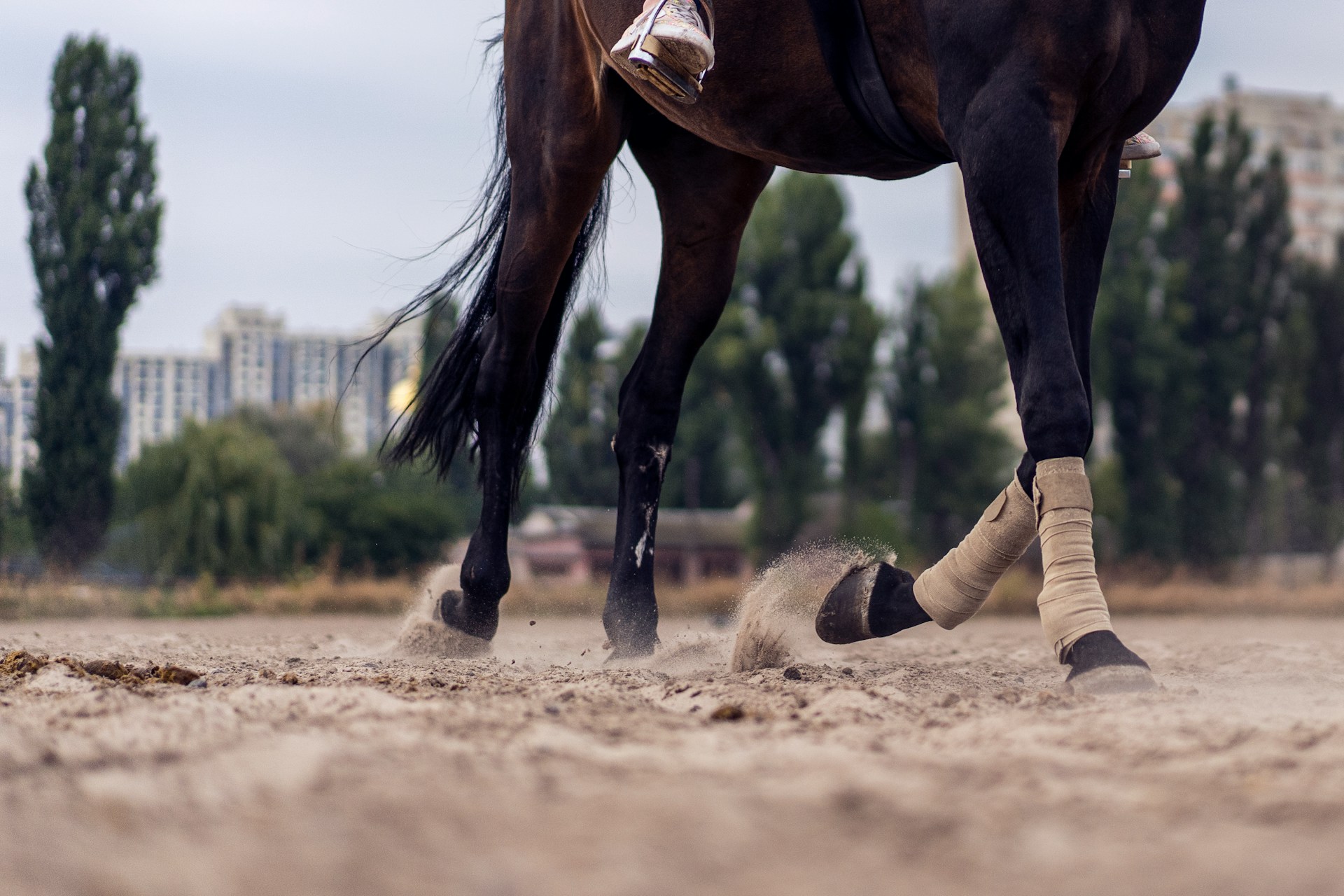
- When done inconsistently, it leads to horse injuries and dissatisfied clients.
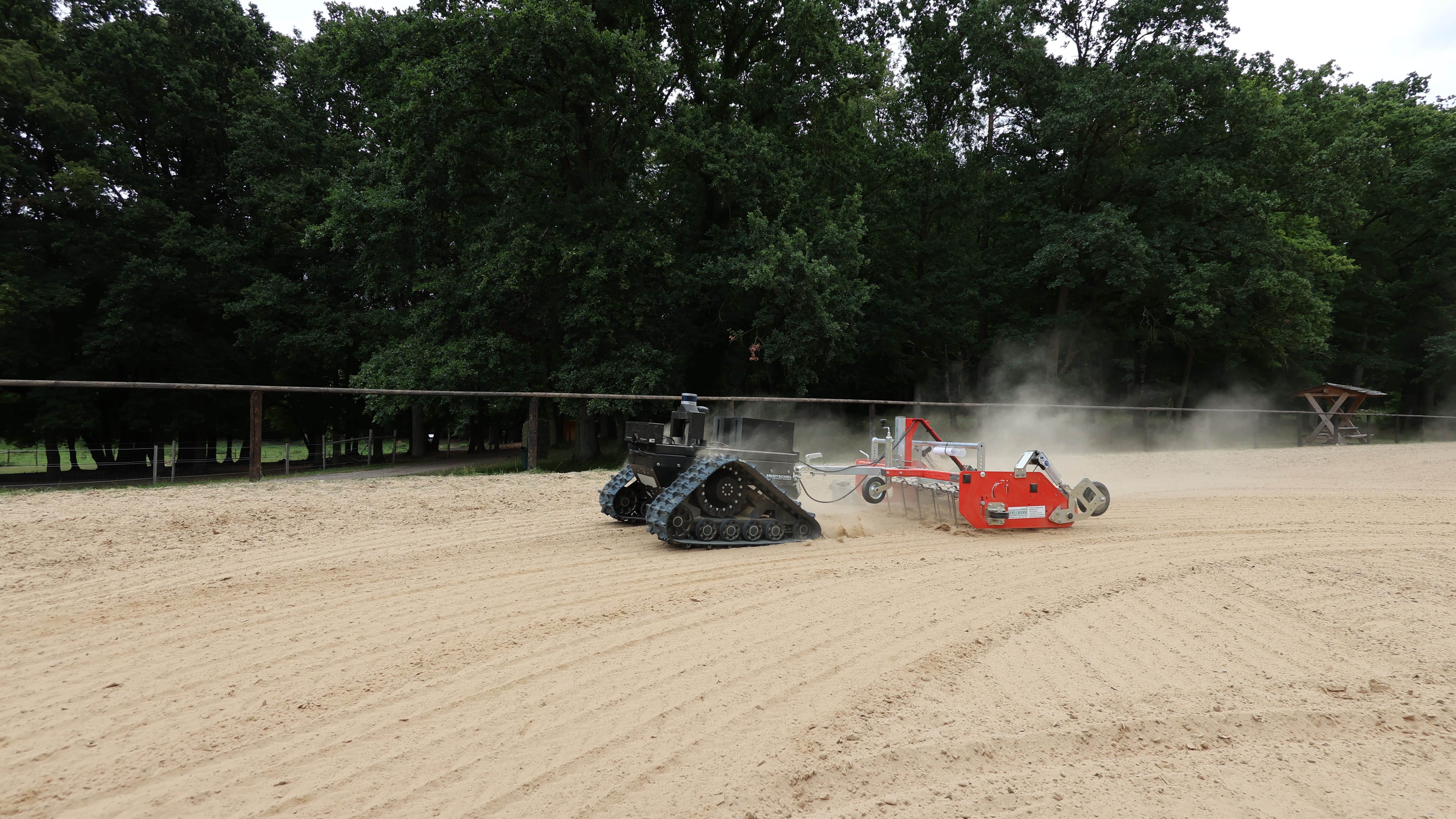
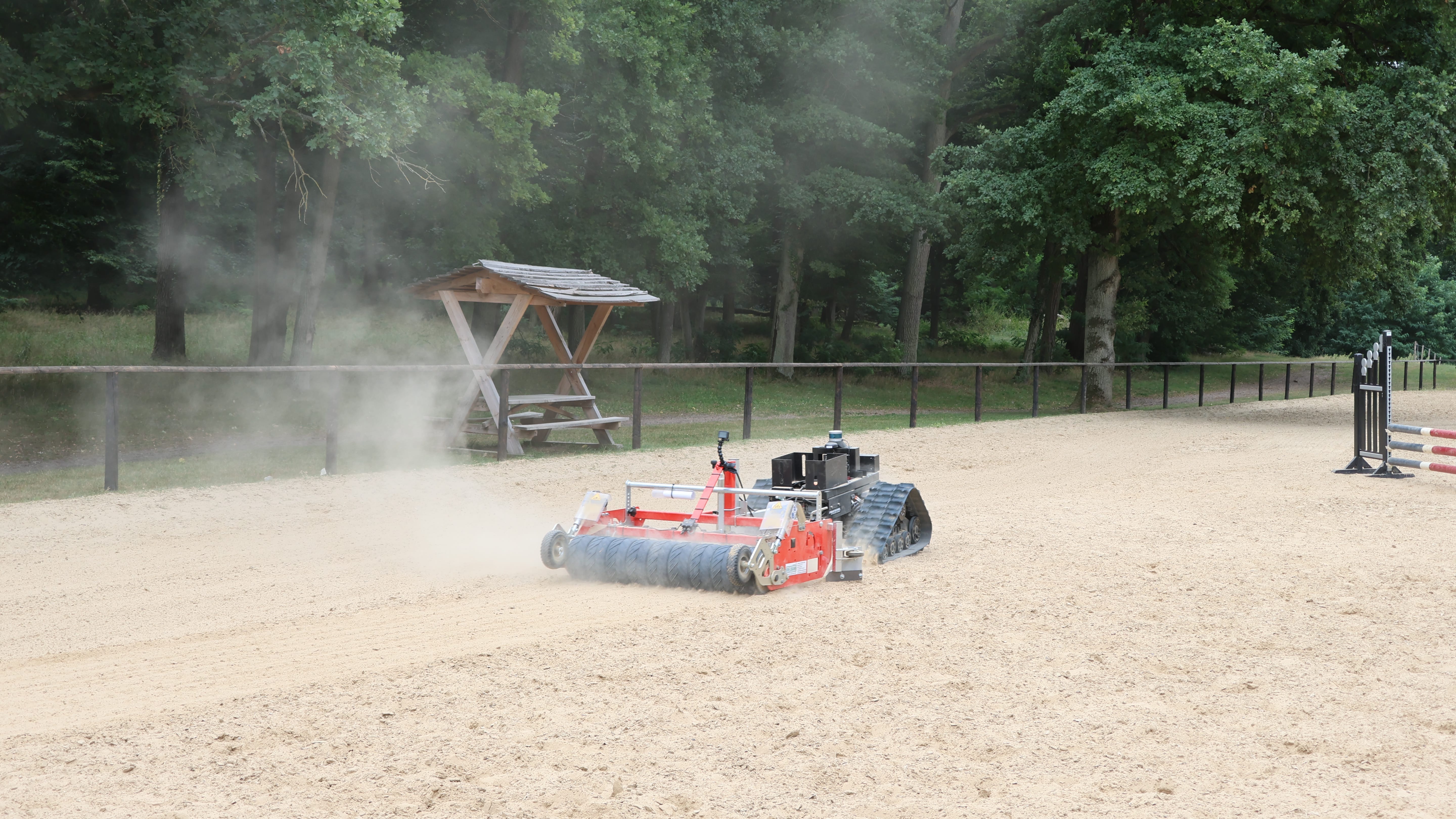
An autonomous arena maintenance robot solves these issues by operating on predefined routes, pulling existing arena drags, and ensuring a consistently even surface. Unlike tractors, it requires no fuel, little supervision, and can work even outside regular staff hours.
For equestrian businesses, this is not just a gadget – it is a productivity multiplier that helps align scarce human resources with the actual priorities of the business.
From Manual Work to Strategic Focus
Automation is often misunderstood as “replacing humans.” In truth, it allows humans to do what only they can do best:
- Training and exercising horses
- Providing riding lessons
- Offering personal service to clients
- Ensuring animal welfare
By freeing staff from routine maintenance, automation enables a shift from manual work to strategic value creation – improving both customer satisfaction and business profitability.
Overcoming Resistance: Tradition Meets Innovation
It is natural for a traditional industry to hesitate when new technology arrives. Stable owners may worry:
- “Will this work reliably in my environment?”
- “Is it too complicated to use?”
- “Will clients perceive it as a loss of authenticity?”
The answer lies in practical, robust solutions. Blücher’s arena maintenance robot is not about flashy technology or unnecessary complexity. It is about delivering consistent results, simple operation, and a premium image that complements the stable’s professionalism. Far from undermining tradition, it helps preserve it – by giving staff and trainers more time to focus on horses.
The Business Case: Efficiency and Cost Control
Consider the math:
- A single arena drag session takes about 30 minutes.
- A busy stable may require grooming 3–5 times per day.
- That’s 1.5–2.5 hours of staff time every single day.
Over a year, this translates into hundreds of hours – valuable labor that could instead be spent on lessons, horse care, or client management. The cost savings and efficiency gains from automation are therefore significant. Combined with lower energy costs compared to tractors, an autonomous solution can pay for itself quickly.
A Step Toward a Sustainable Future
Sustainability is increasingly important in equestrian businesses. Clients expect eco-friendly practices, and facilities look for ways to reduce emissions and noise.
- Battery-powered robots consume less energy than tractors.
- Low noise levels create a calmer environment for horses.
- Less wear and tear on surfaces reduces the need for expensive renovations.
Automation is not just efficient – it is also environmentally and economically sustainable.
Conclusion
Automation in the equestrian business is not about replacing people. It is about empowering people to do more of what matters: caring for horses and building strong client relationships.
By adopting practical tools such as autonomous arena maintenance robots, professional stables can improve efficiency, reduce costs, enhance horse safety, and strengthen their reputation. Far from being a risk, automation is the chance to secure the future of equestrian businesses in a world of rising expectations and limited resources.